
What We Can Help With
- Global air freight booking from China
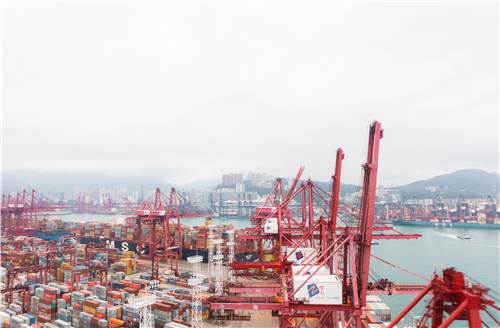
- Global sea freight booking from China
- Airport-to-airport air freight
- Port-to-port sea freight
- Supplier coordination and cargo pickup or receiving in China
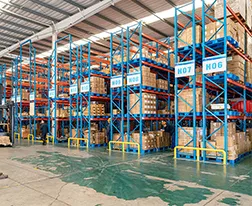
- 3000 sqm warehouse collection, temporary storage, checking, consolidation, packing, and labeling
- China export and shipment preparation coordination
- Freight plan comparison based on cargo size, urgency, route, and budget
- China-side support for overseas freight forwarders and local logistics companies
Final price, route, timing, documents, local customs, destination charges, taxes, and delivery scope depend on the cargo information, destination country, airline or shipping line availability, and confirmed partner arrangement.
Who This Service Is For
This global freight booking service is suitable for:
- Buyers in countries outside the confirmed priority double-clearance markets
- Importers who need air or sea freight from China to their own airport or port
- Overseas freight forwarders that need a China-side booking and warehouse partner
- Local logistics companies that handle destination-side customs and delivery by themselves
- Customers who buy from multiple Chinese suppliers and need goods collected before shipment
- Traders who need freight options but do not need full door-to-door service
Global Booking vs Double-Clearance Door-to-Door
| Service type | Suitable for | What XY CARGO handles | Destination-side note |
|---|---|---|---|
| Double-clearance door-to-door | Confirmed priority markets | China-side workflow, freight, double-clearance coordination, delivery arrangement by confirmed scope | Available for Dubai/UAE, Saudi Arabia, Kuwait, Kenya, Nigeria, Tanzania, Cote d'Ivoire, USA, Vietnam, Thailand, Kazakhstan, Pakistan, and India |
| Global air freight booking | Worldwide urgent cargo | China-side cargo preparation and air freight booking | Destination airport handling, customs, tax, and delivery are confirmed separately |
| Global sea freight booking | Worldwide larger cargo | China-side cargo preparation and sea freight booking | Destination port handling, customs, tax, and delivery are confirmed separately |
| Warehouse + consolidation | Multi-supplier shipments | Cargo receiving, checking, storage, consolidation, packing, labeling | Can be combined with air or sea freight booking |
China-Side Workflow
- You send product details, supplier information, cargo size, destination country, airport or port, and preferred shipping method.
- XY CARGO reviews the cargo type, quantity, volume, weight, route, and booking requirements.
- Suppliers deliver goods to the China warehouse or a confirmed receiving point.
- XY CARGO receives, checks, stores, consolidates, packs, and labels cargo when needed.
- The team compares air freight or sea freight options based on route, timing, and cargo information.
- Shipment is booked and prepared according to the confirmed plan.
- Cargo is handed over by airport-to-airport, port-to-port, or another confirmed freight arrangement.
Information Needed For A Quote
- Product name and photos
- Cargo quantity, cartons, gross weight, and volume
- Supplier city or pickup address in China
- Destination country, airport, seaport, or city
- Preferred shipping method: air freight, sea freight, or not sure
- Whether warehouse collection, checking, consolidation, packing, or labeling is needed
- Whether you are the final buyer or an overseas logistics company
- Any document, customs, port, airport, or delivery requirements
FAQ
Can XY CARGO ship to countries outside the confirmed double-clearance markets?
Yes. XY CARGO can support worldwide air freight and sea freight booking from China. For destinations outside the confirmed double-clearance markets, destination-side customs, tax, delivery, and local handling need to be confirmed case by case.
Can you provide airport-to-airport and port-to-port service?
Yes. XY CARGO can support airport-to-airport air freight and port-to-port sea freight from China to worldwide destinations.
Can you collect goods from multiple suppliers before booking freight?
Yes. XY CARGO has 3000 sqm warehouse support in China for supplier receiving, temporary storage, cargo checking, consolidation, packing, labeling, and shipment preparation.
Can you work with overseas freight forwarders?
Yes. XY CARGO can act as a China-side partner for overseas freight forwarders and logistics companies that handle destination-side customs, delivery, and local customer service.
Is worldwide freight booking the same as worldwide door-to-door double-clearance?
No. The confirmed priority markets can be written as double-clearance door-to-door markets. For other worldwide destinations, XY CARGO can provide China-side operation support and international freight booking, while destination-side scope must be confirmed separately.
Request Global Freight Booking From China
If you need air freight, sea freight, airport-to-airport, port-to-port, warehouse collection, consolidation, or China-side freight forwarding support, contact XY CARGO on WhatsApp with your cargo details.