
What We Can Help With
- Air freight booking from China airport to destination airport
- Cargo receiving from suppliers in China
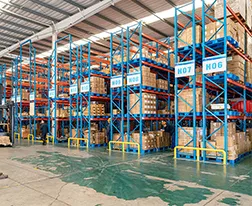
- 3000 sqm warehouse collection, checking, temporary storage, and consolidation
- Packing, labeling, carton matching, and shipment preparation
- Flight option comparison based on cargo weight, volume, urgency, and route
- Export-side coordination according to cargo information
- China-side support for overseas freight forwarders and logistics partners
Airport-to-airport service usually means XY CARGO handles the China-side operation and international air freight booking. Destination airport pickup, customs clearance, duties, taxes, storage, and local delivery should be handled by the buyer or overseas partner unless another scope is confirmed.
Who Should Use Airport-to-Airport Service
- Buyers who need faster freight than sea shipping
- Overseas logistics companies that have their own destination airport handling team
- Importers who already have a customs broker in their country
- Customers shipping samples, urgent stock, high-value cargo, or time-sensitive goods
- Traders who buy from several Chinese suppliers and need cargo consolidated before air freight
China-Side Air Freight Workflow
- You send cargo details, supplier addresses, destination airport, and urgency.
- XY CARGO checks cargo weight, volume, product type, packing, and air freight suitability.
- Suppliers deliver goods to the China warehouse or confirmed receiving point.
- Cargo is received, checked, consolidated, packed, and labeled when needed.
- XY CARGO confirms air freight options and shipment requirements.
- Cargo is booked and handed over for international air freight.
- Buyer or overseas partner handles destination airport pickup, customs, and local delivery unless separately agreed.
Airport-to-Airport vs Door-to-Door
| Service type | Main use | Destination-side responsibility |
|---|---|---|
| Airport-to-airport | Fast international air freight movement | Buyer or overseas partner handles destination airport pickup, customs, tax, and delivery |
| Double-clearance door-to-door | More complete service for confirmed target markets | XY CARGO coordinates according to confirmed door-to-door scope |
| Warehouse + air freight | Multi-supplier urgent shipments | XY CARGO handles China-side collection and consolidation before air freight |
FAQ
Can XY CARGO provide airport-to-airport air freight to worldwide destinations?
Yes. XY CARGO can arrange airport-to-airport air freight from China to worldwide destinations where suitable routes and booking options are available.
Do you provide warehouse collection before air freight?
Yes. XY CARGO has 3000 sqm warehouse support in China for receiving goods from suppliers, checking cargo, temporary storage, consolidation, packing, labeling, and air freight preparation.
Is airport-to-airport the same as door-to-door?
No. Airport-to-airport air freight normally ends at the destination airport. Destination-side pickup, customs, tax, and delivery are handled separately unless a different service scope is confirmed.
Can overseas freight forwarders use this service?
Yes. XY CARGO can support overseas freight forwarders as a China-side air freight booking, warehouse, consolidation, and export-operation partner.
Request Airport-to-Airport Air Freight
Send the product name, photos, weight, volume, supplier address, destination airport, and required timing to XY CARGO on WhatsApp. The team will review the cargo and suggest a suitable air freight plan.